Applications
5 Ways to Analyse Why Foam Boards Blister
A picture mounted on a KT board starts bubbling within days. Here are five causes — and how ANBO's paper and PS foam boards avoid them.
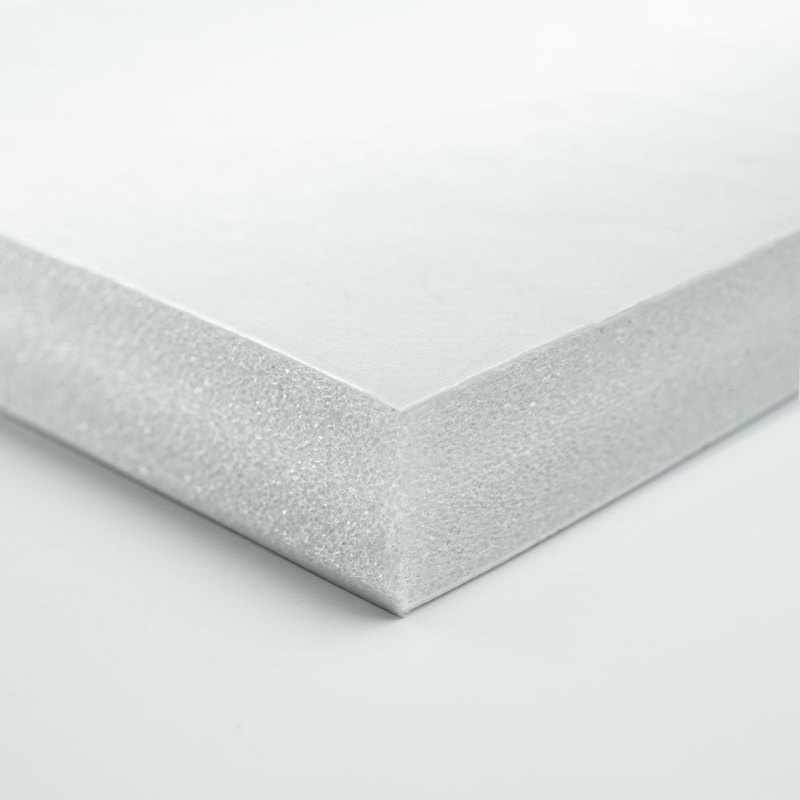
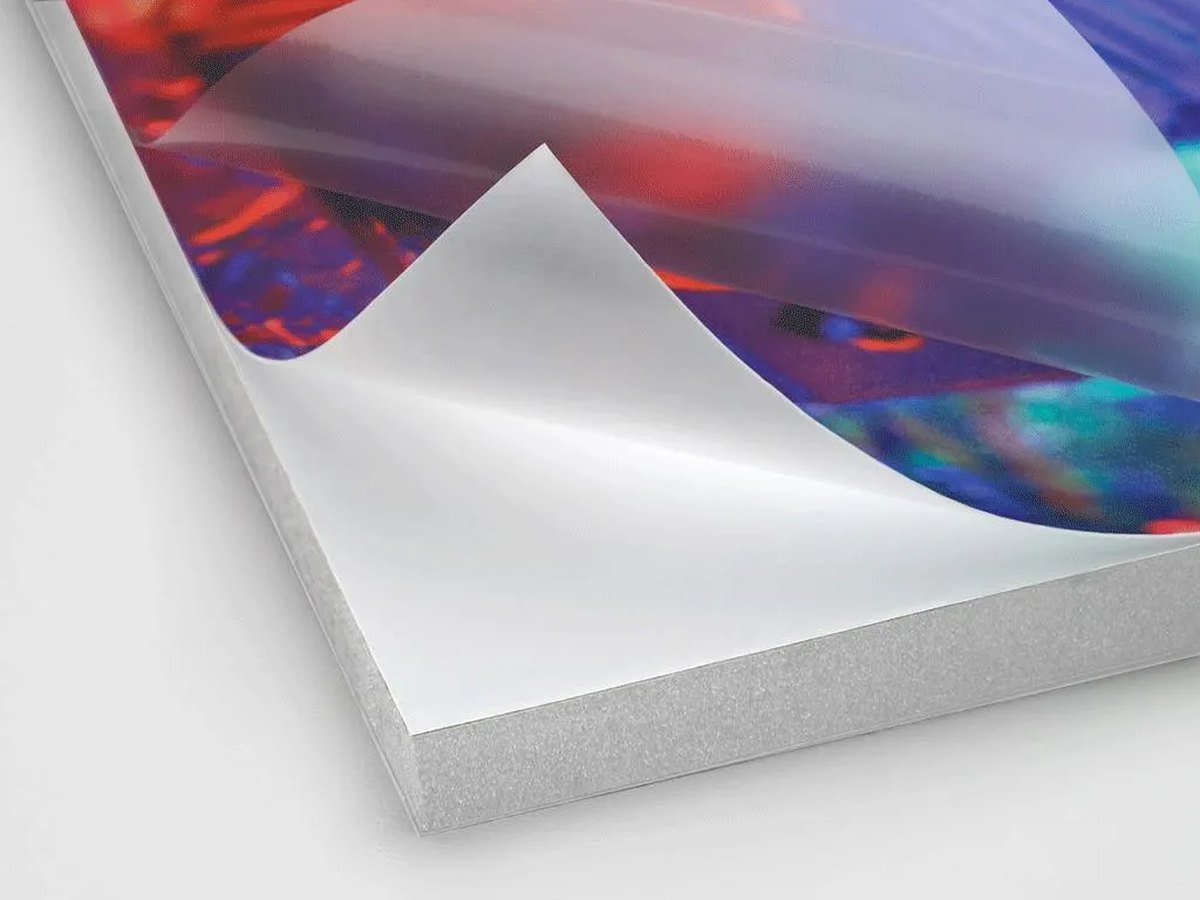
A picture mounted on a KT board can start bubbling within days. Blistering is usually caused by a short core maturation period, a surface film that is too thin, adhesive or moisture left after mounting, the forming process, or impurities in the PS sheet, not simply glue failing. This article works through the five causes in turn, then explains how ANBO avoids them and what to check before you order. What is blistering? Blistering is a raised bubble or pocket between the mounted picture or facing and the foam core. Air or gas trapped behind the surface lifts the facing away from the core, so the mounted print no longer sits flat. A single small bubble can keep growing as the board is handled or as the room warms up, and a blistered panel usually cannot be pressed flat again. 5 causes The five causes below cover the board, the mounting step and the sheet itself. Most blistering can be traced to one of them. A. Short maturation period of the board core A foam core needs time to mature after it is formed. If a board is faced and shipped too soon, gas still escaping from the core can push against the facing and lift it into bubbles. Boards cut from a core that has not matured are the most common reason a mounted picture blisters within days. B. PS film on the surface is too thin On a PS film-faced board, the film is the barrier between the print and the core. If the film is too thin, it cannot hold the surface flat against gas or moisture movement from the core, and bubbles form under the print. A film that is too thin also shows every small unevenness in the core beneath it. C. Adhesive reaction or moisture left after mounting Mounting leaves adhesive and, with wet mounting, moisture between the print and the board. If the adhesive reacts with the facing, or the moisture cannot escape, the trapped layer lifts the print into blisters. Allow mounted panels to dry flat and fully before they are framed, packed or hung. D. Forming process - temperature, speed, roller gap, lamination not firm, foaming gas escapes Blistering can start on the production line. If the forming temperature or line speed is wrong, the roller gap is uneven, or lamination is not firm, the facing never bonds evenly to the core. Gas released while the foam is forming then escapes into the weak spots and raises bubbles. A firm, even lamination is the only way to keep gas out. E. Impurities in the PS sheet Impurities in the PS sheet create weak points in the core. Gas gathers at those points, or a speck of foreign material keeps the facing from bonding, and a bubble appears over the spot. Clean raw material and incoming-material checks are what keep these defects out of a finished board. How ANBO avoids it ANBO guarantees paper and paper-laminate foam boards are blister-free. Cores are matured before facing, the facing is laminated firmly and evenly, and boards are checked for flatness and surface before shipment. Boards outside the agreed range are removed from the run. If a mounted picture is prepared on a flat, matured ANBO board and allowed to dry flat, it stays flat. What to check before you order Ask for the board's maturation practice, the facing weight and film thickness, and the flatness check before shipment. Order a sample of the exact board, mount a test print the same way you will mount the job, and leave it flat for several days. If the sample stays flat, the production boards will too. Start with the Paper-Faced KT Board range, or the 5mm White Paper-Faced KT Board for a proven paper-faced option. If you are unsure which board your job needs, Contact Us with your panel size and print process.